
Scotland's Landscape Charter
Solway Coast and Marine Project – Landscape Connections (SCAMP)
Landscape Statement – Vision
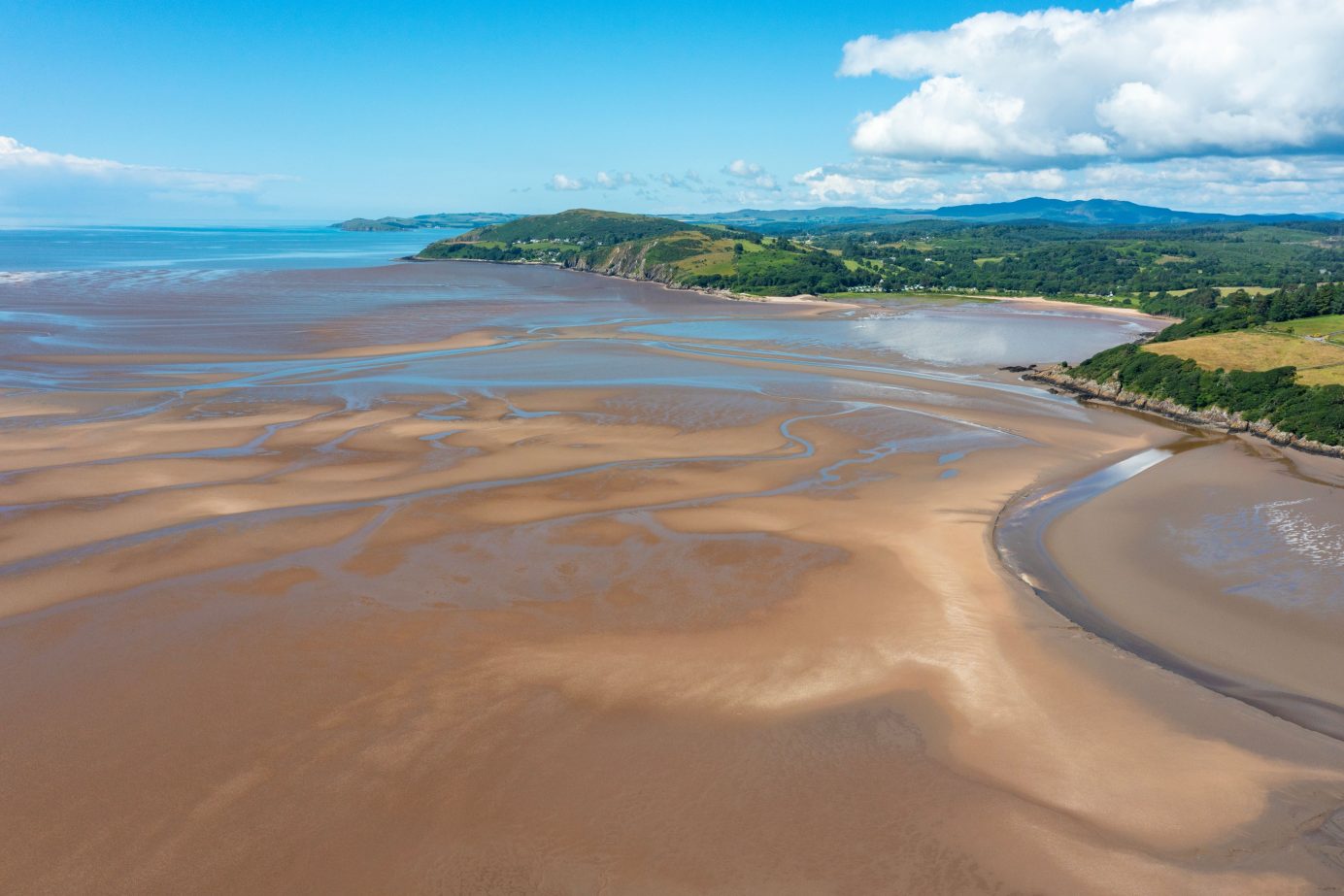
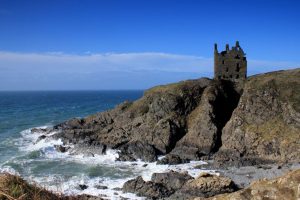
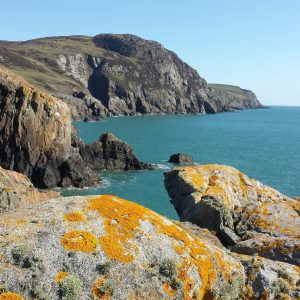
The Solway Firth is one of the most important estuaries in Britain, shared between Scotland and England, its amazing seascape is vital for people and wildlife. The Dumfries and Galloway coastline runs for 210 miles from the shimmering sands of the inner Solway to the rugged shores of Wigtownshire, and the Mull of Galloway, Scotland’s most southerly point. The Firth has shaped the history, economy, art and culture of Scotland, a gateway to the world and a rich natural resource.
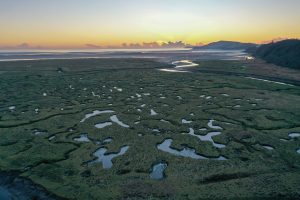
This amazing landscape/seascape is, however, facing challenges; sea-level rise, coastal erosion, fragmentation and loss of habitats, disconnection of local people from the coast and sea. SCAMP will address by harnessing Solway’s land and seascapes to respond to the climate & nature crises, by reconnecting habitats, creating resilient communities and boosting local economic activity. Coastal communities will be at the heart of our holistic seascape approach, and we will focus our work on six key habitats: native oyster reefs, seagrass beds, saltmarsh, sand dunes, coastal woodlands and coastal burns.
Working with local communities, SCAMP will deliver a 10-year programme to understand, conserve and develop the potential of the natural, cultural and built heritage for the people of the Solway Firth. SCAMP will focus on a range of large-scale interventions and activities to deliver a coherent, and co-ordinated approach reconnecting people to the Solway Firth seascape. SCAMP will leave the Solway Firth in a healthier condition, better understood, protected and will ensure the seascape can respond to today’s nature and climate crises.
How does this project deliver the principles of the charter?
1. Collaboration
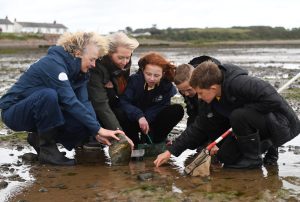
SCAMP is founded on collaboration, within a partnership of environmental organisations that are delivering its outcomes and the communities that we will be working with at a local level. Our ambition, over the next 10 years, is to form further collaborations with a wide variety of organisations, individuals and communities. By developing and showcasing best practice in marine and coastal restoration, in collaboration with the communities who live in/on the land and seascape, as well as local, academics, artists, historian, to ensure a collaborative and joined up approach to restoration that maximises benefits for nature, climate and people. Our approach is one of seeking understanding and building connections between people, habitats and organisations to ensure a holistic approach, where every contribution is valued and encouraged. We will work with and seek to influence national policy and policy makers.
2. Dynamism
SCAMP recognises that our climate is changing, human pressure on natural systems is increasing. Through identifying and recognising the nature of this change we hope to help our coastal and marine habitats to find ways to adapt, migrate and be resilient to this change. Healthier, stronger habitats provide resources for multiple species and provide a wide range of ecosystem services. By working with local people to understand the condition and benefits of these habitats we will foster action to restore and safeguard these habitats and seascapes for the future.
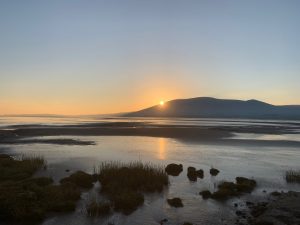
We will focus on the inter connections and relationships between habitats seeking to restore functioning ecosystems which will have greater resilience and adaptability to future changes.
SCAMP will actively work to foster sustainable economic connections between local communities and these ecosystems, based on sound knowledge and long-term relationships.
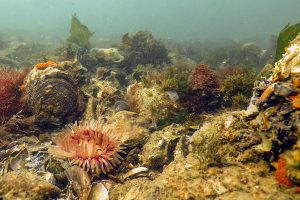
We aim to work with landowners and stakeholders who work with these fragile habitats to help them find economic models that provide high quality sustainably produced food alongside integrating habitat restoration. For example, the sustainably fished last Wild Oyster Fishery in Scotland is in Loch Ryan on the Solway Coast. It provides sustainably harvested native Oysters but also acts as an important source of young oysters for other restoration projects across the Uk and Europe.
3. Diversity
SCAMP is led by a passion and desire to help our coastal and marine habitats restore and provide nature-based solutions to combat biodiversity loss and the climate crisis.
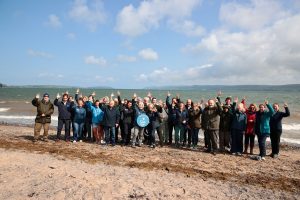
We have a unique partnership of 7 different environment organisations, all working on different aspects of the restoration work but with a collective ambition to restore nature and help connect people to the Solway Coast.
Much of our seabed and coastal landscapes have been ‘improved’ over the last two centuries for the ease of human exploitation, we seek to restore the complexity to these systems that will bring resilience and diversity to our coast and marine environment. We will explore new and novel techniques to kick start this process and seek to influence management to ensure complexity is maintained in these systems.
What's Next
The charter includes the need for balance, for nature restoration to work alongside communities and business who work on the land and the sea. SCAMP is an innovative model which is holistic, collaborative and connected across the Solway’s seascape. As SCAMP develops and progresses there will be many lessons to learn and share. Ultimately it may even provide a model for other places and could be used to help inform policy in Scotland. We intend that this initial 10-year project is the start of a change in the region, where coastal communities and authorities refocus their attention to the health and benefits the Solway can bring to our region into the future, for people nature and climate.
Find out more here on their programme and the introductory video:-
SCAMP-Programme-Plan-June-2025-Final(SM)
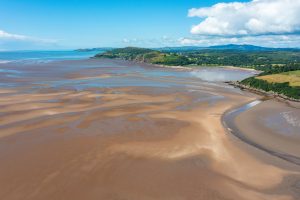
Image Credits:
Mike Bolam Photography; Duncan Ireland photography; Robbie Cowan; Bryan Scott; Newton Stewart Sub Aqua Club; SCAMP; Free Coast
Location
North Solway coast and shallow seas
Year Completed
In development – expected completion 2036
Lead Contact
Karen Morley – Programme Manager : karen.morley@dumgal.gov.uk
Groups and Organisations Involved
Dumfries and Galloway Council
Solway Firth Partnership
Dumfries and Galloway Woodlands
Galloway and Southern Ayrshire Biosphere
Galloway Fisheries Trust
Crichton Carbon Centre
Southern Uplands Partnership
RSPB
SEAS (Scamp ecological Art Strand)