
Scotland's Landscape Charter
The Galloway & Southern Ayrshire UNESCO Biosphere
Landscape Statement – Vision
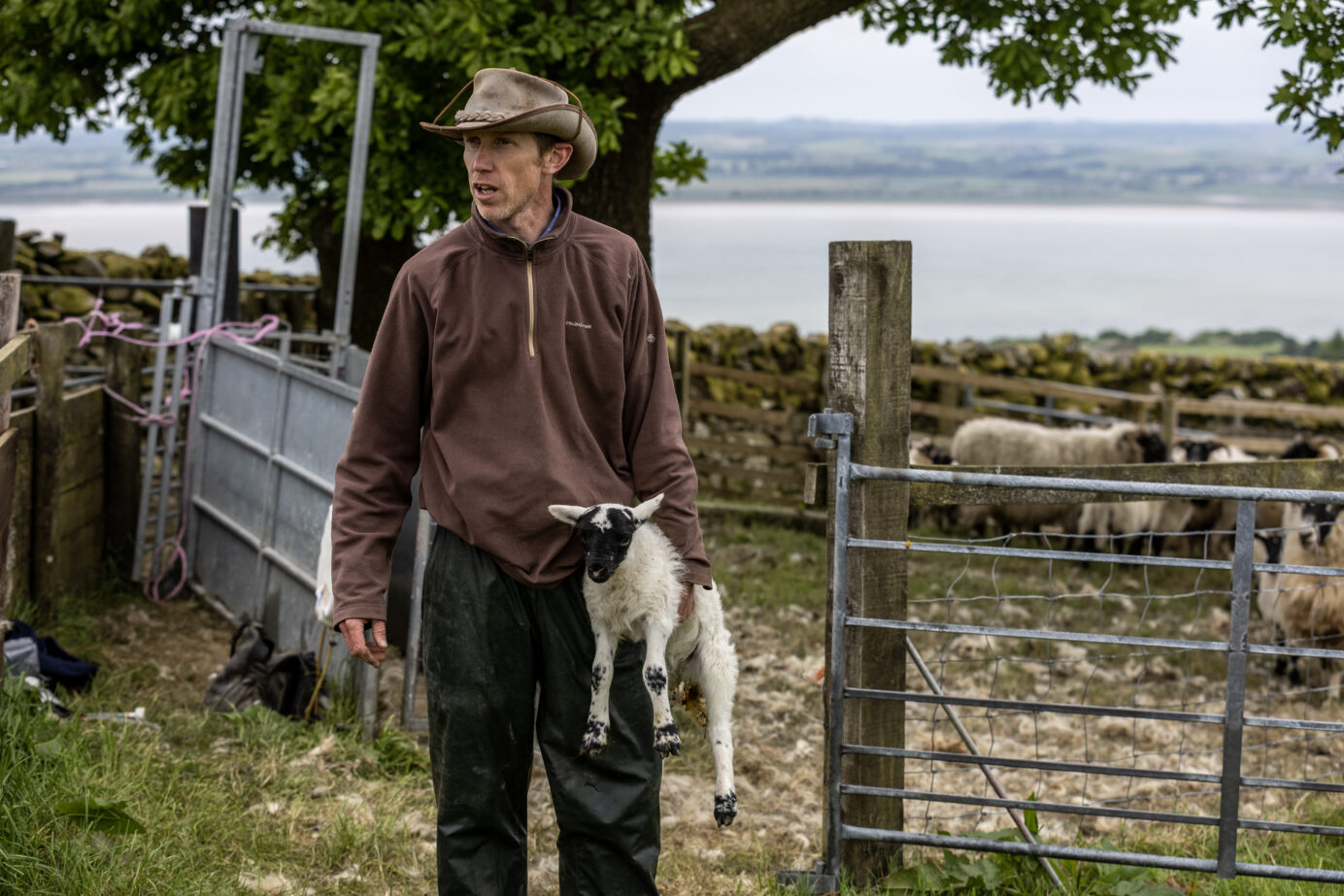
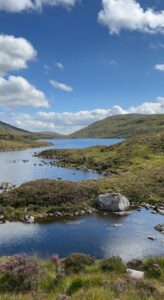
Established in 2012 and covering almost 9,800 km² of land and sea, the Galloway and Southern Ayrshire UNESCO Biosphere is a globally recognised example of how landscapes can be managed to support both people and nature. Based around the river catchments radiating from the Galloway Hills, the Biosphere encompasses internationally important habitats, productive farmland, commercial forests, coastlines, settlements, industrial heritage and vibrant rural communities. Together these landscapes tell the story of how people and nature have shaped one another over generations and continue to do so today.
Aligned closely with the vision of Scotland’s Landscape Charter, the Biosphere demonstrates how positive landscape change can be achieved through collaboration, stewardship and a shared understanding of place. The region faces many of the same challenges experienced across Scotland, including climate change, biodiversity loss, agricultural transition, renewable energy development and evolving community aspirations. Rather than viewing these pressures in isolation, the Biosphere provides a framework through which environmental, economic, social and cultural priorities can be considered together.
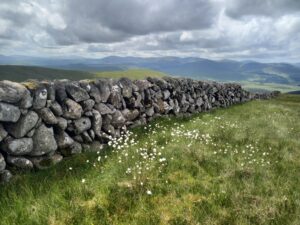
Central to this vision is the belief that healthy landscapes and thriving communities are inseparable. The long-term sustainability of southwest Scotland depends upon maintaining a living and working landscape where people can continue to live, work, raise families and build successful businesses. Productive farms, well-managed forests, sustainable tourism, renewable energy, local enterprise, cultural heritage and nature-rich environments are not competing interests but interconnected components of a resilient landscape.
As part of the worldwide UNESCO Biosphere Network, the region serves as a living model for sustainable development, demonstrating how nature recovery, community wellbeing and economic opportunity can be delivered together while maintaining the distinctive character, identity and long-term resilience of place.
Watch : Heart of the Biosphere – A year in the Life of Merrick-Kells & Silver Flowe
https://www.youtube.com/watch?v=lYad9S9TlTM
How does this project deliver the principles of the charter?
1. Collaboration
Collaboration:
Collaboration sits at the heart of the UNESCO Biosphere model and underpins every aspect of the Biosphere Partnership’s work. The partnership brings together local authorities, public agencies, businesses, land managers, community organisations, educational institutions and the third sector to address shared opportunities and challenges across a complex and interconnected landscape. By providing a trusted and independent platform for discussion, facilitation and delivery, the Biosphere helps build consensus around issues that often involve competing priorities and perspectives.
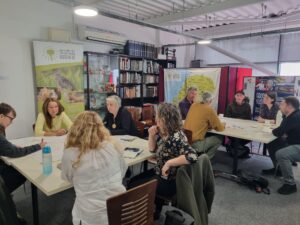
At a community level, the Biosphere ensures local voices help shape conversations about landscape change, access, heritage, climate resilience and environmental management. Through workshops, learning programmes, citizen science projects, volunteering opportunities and community visioning exercises, people are supported to actively participate in decisions affecting their places. This approach strengthens local capacity, builds confidence and ensures that long-term stewardship is rooted in local knowledge and experience.
Projects such as Biosphere Footsteps and PLACE in the Biosphere have demonstrated the value of bringing people together around shared landscape outcomes. By connecting environmental action with culture, heritage, education and wellbeing, these initiatives have helped communities better understand their relationship with the landscapes in which they live.
At a regional scale, the Biosphere acts as a convening body, connecting organisations that may not otherwise work together. Through initiatives including the Dumfries and Galloway Climate Ready Region, the partnership helps coordinate action on climate adaptation, nature recovery and sustainable development. By building trusted relationships across sectors and boundaries, the Biosphere demonstrates how collaboration can create lasting, positive change across whole landscapes.
2. Dynamism
Dynamism:
The UNESCO Biosphere concept is founded on the understanding that landscapes are dynamic and continually shaped by environmental, social, economic and cultural change. Sustainable development is therefore not about preventing change, but about guiding it in ways that strengthen resilience, maintain landscape character and create benefits for both people and nature. This principle is increasingly important as Scotland responds to climate change, biodiversity loss and changing patterns of land use.
Across southwest Scotland, landscapes are evolving in response to agricultural transition, forestry expansion, renewable energy development, demographic change and shifting economic circumstances. The Biosphere provides a framework that helps communities, businesses and public bodies understand these changes and identify opportunities to respond positively and proactively.
A key role of the Biosphere Partnership is supporting innovation, adaptation and knowledge exchange. Through its leadership of regional climate initiatives and support for community climate action, the partnership helps communities build resilience while encouraging practical solutions that can be adapted and applied across different landscapes and sectors. These programmes evolve in response to changing local needs and emerging evidence.
The Biosphere is also internationally recognised as a place where new ideas can be explored and tested. Researchers, universities and partner organisations use the Biosphere as a living laboratory for investigating sustainable land management, nature recovery, climate adaptation and future landscape scenarios. This research helps inform practical action while contributing to wider policy and learning.
3. Diversity
Diversity is one of the defining characteristics of the Galloway and Southern Ayrshire UNESCO Biosphere. The designation encompasses a wide variety of landscapes, habitats, communities, land uses and cultural traditions, each contributing to the identity, resilience and distinctiveness of the region. Recognising and valuing this diversity is fundamental to the UNESCO Biosphere approach and aligns strongly with the principles of Scotland’s Landscape Charter.
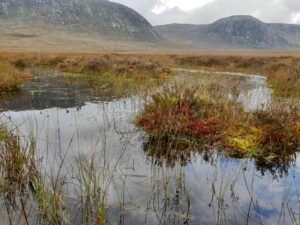
The Biosphere includes internationally important habitats and protected areas alongside productive agricultural land, commercial forests, renewable energy developments, tourism destinations, market towns, post-industrial landscapes and coastal communities. Together these places demonstrate the many ways in which people interact with, depend upon and help shape the natural environment.
The UNESCO Biosphere zoning framework reflects the importance of diversity by recognising that different places require different approaches. Core areas provide protection for internationally significant habitats, buffer zones support sustainable land management and transition areas create space for communities, businesses and economic activity. This integrated model enables environmental protection, community wellbeing and economic opportunity to be pursued together.
The Biosphere Partnership actively encourages participation from people of all ages, backgrounds and interests. Educational programmes introduce young people to nature, heritage and sustainable development, while citizen science and volunteering opportunities enable local residents to contribute directly to environmental stewardship. Farmers, land managers, businesses and community organisations are supported through networks that encourage peer learning and collaboration.
As part of a global network of UNESCO Biospheres, the region also benefits from international partnerships and knowledge exchange. These connections bring fresh perspectives while celebrating the unique environmental, cultural and social assets that make southwest Scotland distinctive.
What's Next
The Galloway and Southern Ayrshire Biosphere sits at the forefront of many of the opportunities and challenges facing Scotland’s landscapes. Forestry expansion and restructuring, agricultural transition, renewable energy development, biodiversity recovery, climate adaptation and changing community expectations are all influencing how the region will evolve over the coming decades. While these pressures can create tensions, they also present an opportunity to demonstrate how landscapes can deliver multiple benefits when managed through collaboration, evidence and long-term stewardship.
The Biosphere Partnership’s vision is to use its trusted convening role, international UNESCO designation and extensive network of partners to help shape a shared approach to landscape management across southwest Scotland. Central to this ambition is the belief that landscapes must remain places where people can continue to live, work, invest and thrive whilst supporting biodiversity, climate resilience and cultural identity. The most resilient landscapes are those that remain environmentally, socially and economically productive.
Future priorities include expanding landscape-scale nature recovery partnerships, strengthening ecological connectivity, supporting resilient farming and forestry systems, increasing community participation in land-use planning and developing nature-based solutions to climate challenges. Through initiatives such as On-Farm Plans Integrated with Nature (OPIN), the Biosphere will continue to demonstrate how environmental enhancement and economic viability can be delivered together.
The partnership will also continue to strengthen connections between people and place through learning, volunteering, business engagement, sustainable tourism and community-led action. By bringing together diverse interests around a shared vision for the future, the Biosphere aims to provide a practical model for integrated land management that supports nature, communities and sustainable economic development while contributing directly to the ambitions of Scotland’s Landscape Charter.
Location
Dumfries & Galloway; South Ayrshire; East Ayrshire
Year Completed
Ongoing
Lead Contact
Ed Forrest, Director – ed@gsabiosphere.org.uk
Groups and Organisations Involved
The Galloway & Southern Ayrshire Biosphere Partnership (GSAB), brings together a partnership of Dumfries and Galloway, East Ayrshire and South Ayrshire Councils, alongside South of Scotland Enterprise, Scottish Forestry, Nature Scot and regionally based private and third sector organisations.