
Scotland's Landscape Charter
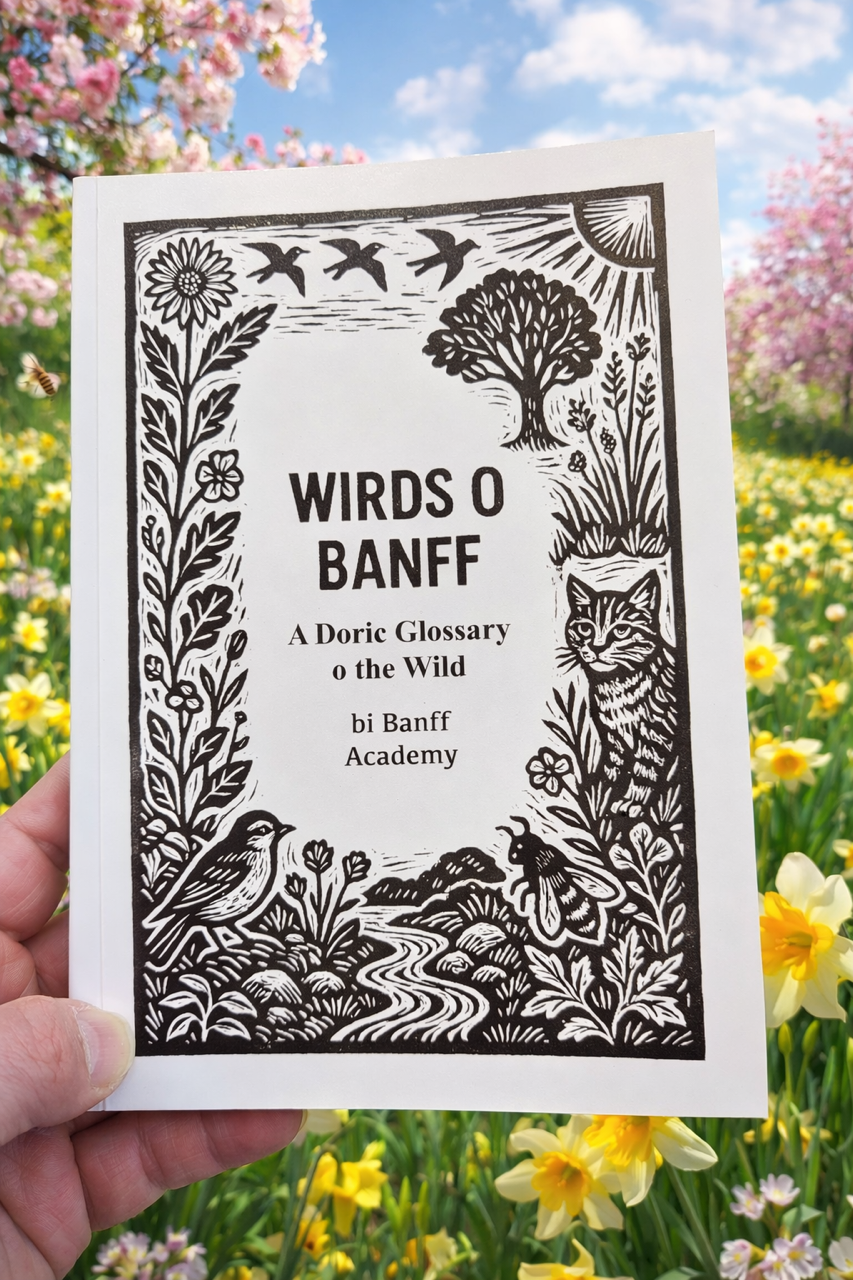
Wirds o Banff: A Doric Glossary o the Wild
Landscape Statement – Vision
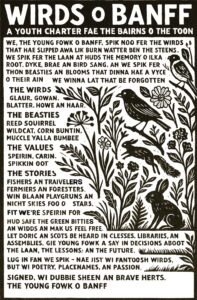
In Banff, Doric words carry knowledge about the wildlife and places around us. Wirds o Banff asked S3 pupils to explore the relationship between disappearing nature vocabulary and biodiversity loss, then make that learning useful to their community. Our year-long Project-Based Learning enquiry combined outdoor fieldwork with research and creative work. Pupils investigated local names for wildlife and landscapes, drawing on community knowledge. Their poems, illustrations and reflections became an illustrated glossary. Two hundred pupils also signed their own charter committing to care for nature and the Doric language.
The published book gives this knowledge a life beyond the classroom. It won Scots Book o the Year at the 2026 Scots Language Awards, and pupils shared their work on BBC Radio Scotland’s Out of Doors.
The project supports Scotland’s Landscape Charter’s vision of landscapes cherished as a shared resource, with everyone able to play an active part in their future. By valuing pupils’ language and enabling them to record and share local knowledge, we aim to strengthen the connection between belonging to a place and accepting responsibility for its future.
How does this project deliver the principles of the charter?
1. Collaboration
Young people were the researchers, writers and illustrators, supported by Banff Academy’s teaching team. Community knowledge holders, conservationists and artists helped connect local language with ecological understanding and creative practice. Woodland fieldwork, archives and oral histories brought different sources of knowledge into the enquiry. Pupils could connect what they encountered outdoors with the words and experiences carried by their community.
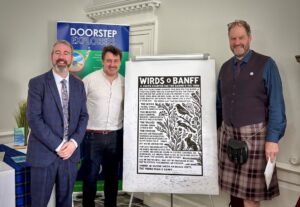
Scotland’s Makar, Dr Peter Mackay, supported pupils’ writing and contributed the foreword. Doric Books brought their work into print, with publication supported through a Scots Language Publication Grant. This partnership linked education, culture and environmental awareness around a shared, tangible outcome. The glossary preserves community knowledge in a form that others can read, discuss and use. Pupils’ authorship and their shared charter also gave them a voice in defining what should be valued and cared for locally.
2. Dynamism
Landscapes and languages both change. The project examined the relationship between declining familiarity with local nature words and the pressures facing the wildlife they describe. Research and fieldwork helped pupils explore how knowledge of a place is recorded, passed on and sometimes lost. The glossary retains part of that cultural record while giving Doric a contemporary purpose through new writing and illustration by young people.
The pupils’ charter turned their enquiry into a statement of responsibility towards nature and language. Publication and broadcast coverage have carried the work beyond school. Keeping the glossary in use helps future learners discuss environmental change and their responsibilities. This supports the Landscape Charter’s call to retain historical knowledge while preparing communities to respond to biodiversity loss and climate change.
3. Diversity
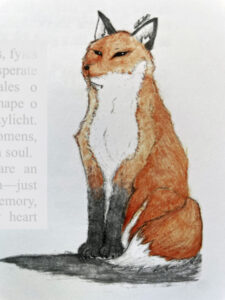
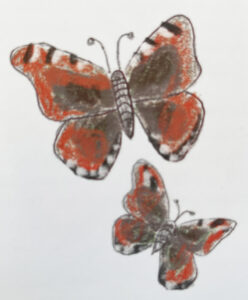
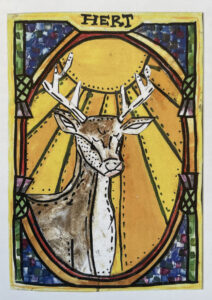
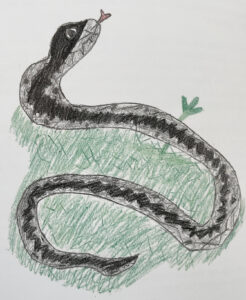
The glossary connects ecological diversity with the diversity of language and experience through which people understand a landscape. Pupils explored Doric names for birds, animals, insects and plants, drawing attention to wildlife that might otherwise pass unnoticed. Words such as hoolet and scurrie show how local speech carries distinctive ways of recognising and describing the natural world.
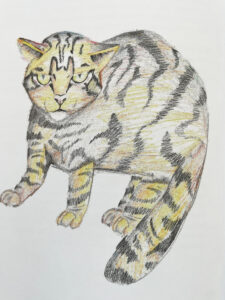
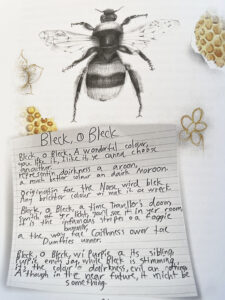
Using Doric as a language of enquiry and publication valued pupils’ own voices and the knowledge associated with them. Fieldwork, writing and illustration offered different ways to contribute, while working with people beyond school brought different experiences into the learning. The outcome invites readers to value the particular character of North-East Scotland and to recognise that its cultural and natural heritage are connected. These approaches support the Charter’s emphasis on distinctive places, biodiversity and participation.
What's Next
Our priority is to keep the book and pupils’ charter in use through school and community networks, and to share the story through Scotland’s Landscape Alliance.
We would like future classes to build on the enquiry through outdoor observation, conversations with Doric speakers and creative responses to local wildlife.
Future work should revisit the pupils’ commitments and explore how the places and species they described are changing. Continuing relationships with cultural and environmental partners would help connect that learning with practical care for local places. Sharing the approach with other schools could enable young people elsewhere to investigate their own landscape knowledge and decide how to carry it forward.
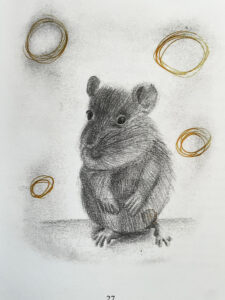
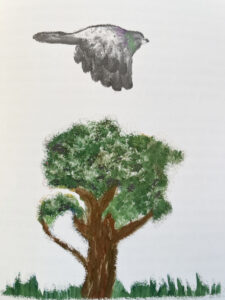
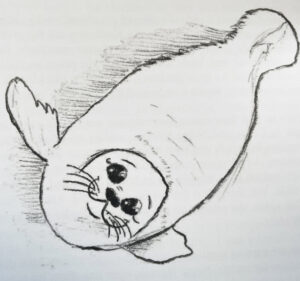
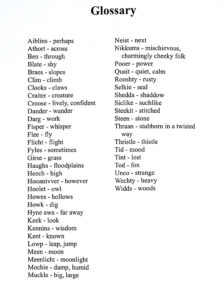
Image Credits:
Banff Acadamy
Location
Banff, Aberdeenshire, and the surrounding North-East Scotland landscape. The project connects local woodland and wildlife with the language and knowledge of the coastal and rural communities served by Banff Academy.
Year Completed
2025: original pupil project and public launch on 30 June. 2026: published edition and wider recognition. Public engagement and follow-on learning continue.
Lead Contact
Stewart Clelland Principal Teacher of Project-Based Learning, Banff Academy - stewart.clelland@aberdeenshire.gov.uk
Groups and Organisations Involved
Banff Academy: S3 pupils and the Project-Based Learning teaching team, including Stewart Clelland and Dr Jamie Fairbairn.
Dr Peter Mackay, Scotland’s Makar: support for pupils’ creative development and the book’s foreword.
Doric Books CIC: publisher, with support from a Scots Language Publication Grant.